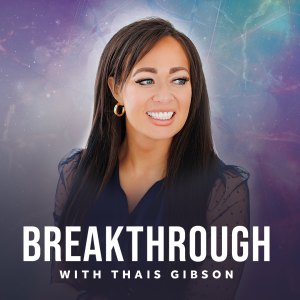
Breakthrough with Thais Gibson Podcast
Breakthrough with Thais Gibson is a podcast featuring live coaching and transformational conversations rooted in Integrated Attachment Theory. In each episode, Thais works directly with guests to uncover subconscious patterns, heal attachment wounds, and create meaningful emotional breakthroughs. Through vulnerable storytelling, practical tools, and deep emotional insight, listeners gain a powerful window into the healing process and learn how to build healthier relationships with themselves and others.
Listen on:

Episodes
16 hours ago
16 hours ago
10 min
Heal From Heartbreak at the Root. Try the Breakup Course Free With Your 7-day Trial.https://attachment.personaldevelopmentschool.com/dream-life?utm_source=podcast&utm_campaign=7-day-trial&utm_medium=organic&utm_content=pod-08-24-26&el=podcast
Can a Dismissive Avoidant experience limerence?
The answer may surprise you. While they often appear emotionally detached, Dismissive Avoidants can experience intense infatuation but it's usually driven by subconscious unmet needs rather than genuine emotional intimacy.
Episode Summary
In this episode, Thais Gibson explains how Dismissive Avoidants experience limerence and why intense infatuation is often very different from developing genuine love or emotional connection. She explores limerence as a subconscious coping mechanism that causes us to idealize someone based on the unmet needs and traits we project onto them, rather than who they truly are.
Using real-world examples, Thais illustrates why Dismissive Avoidants often develop limerence toward emotionally unavailable people or individuals they have little chance of being with. Because these relationships remain largely fantasy-based, they allow Avoidants to experience attraction without confronting their deeper fears of vulnerability, intimacy, and dependence. She also explains how limerence can reveal the specific emotional needs and personal qualities that are missing or out of balance in your own life.
Most importantly, she shows that limerence isn't something to fear it's valuable information. By identifying the unmet needs beneath the obsession and learning healthier ways to fulfill them, you can transform heartbreak and infatuation into lasting personal growth and healthier relationships.
Key Takeaways✔️ Dismissive Avoidants can absolutely experience limerence and intense infatuation✔️ Limerence is often love for the idea of a person rather than the reality✔️ Unmet emotional needs frequently drive obsessive attraction✔️ Fantasy relationships allow Avoidants to avoid vulnerability and commitment✔️ Limerence often develops toward emotionally unavailable or unattainable people✔️ Identifying your unmet needs creates a pathway toward healing✔️ Personal growth begins by meeting those needs in healthy, sustainable ways
Timestamps00:00 – Do Dismissive Avoidants Fall Into Limerence?00:31 – What is Limerence?02:27 – Example: The Dismissive Avoidant in Limerence05:53 – They Will Feel Limerence Towards People They Have No Chance With06:41 – How to Heal From a Breakup Course Promo09:11 – Limerence Reveals What is Out of Balance in Your Life
Meet the HostThais Gibson is the founder of The Personal Development School and a world leader in attachment theory. With a Ph.D. and over a dozen certifications, she’s helped more than 70,000 people reprogram their subconscious and build thriving relationships.
Helpful Resources:
🧠 Take the Free Attachment Style Quizhttps://attachment.personaldevelopmentschool.com/?utm_source=podcast&utm_campaign=attachment-quiz&utm_medium=organic&el=podcast
📘 Become an IAT Relationship Coachhttps://attachment.personaldevelopmentschool.com/iat?utm_source=podcast&utm_campaign=iat&utm_medium=organic&el=podcast
📚 Read the New Attachment Theory Bookhttps://attachment.personaldevelopmentschool.com/book/the-new-attachment-theory?utm_source=podcast&utm_campaign=the-new-attachment-theory&utm_medium=organic&el=podcast
🎧 Discover Podcast Episodeshttps://attachment.personaldevelopmentschool.com/podcast?utm_source=podcast&utm_campaign=podcast-page&utm_medium=organic&el=podcast
📝 Read the PDS Bloghttps://blog.personaldevelopmentschool.com/
Let’s Connect on Socials:📸 Instagram: https://www.instagram.com/thepersonaldevelopmentschool/📘 Facebook: https://www.facebook.com/ThePersonalDevelopmentSchool🎵 TikTok: https://www.tiktok.com/@thaisgibson💼 LinkedIn: https://www.linkedin.com/company/thepersonaldevelopmentschool/
3 days ago
3 days ago
1 hr 9 min
Access Our Post-Traumatic Growth: A Hero's Journey Course Mentioned in This Episode, With a Trial to the Personal Development School:https://attachment.personaldevelopmentschool.com/dream-life?utm_source=podcast&utm_campaign=7-day-trial&utm_medium=organic&utm_content=pod-08-22-26&el=podcast
What if some of the most painful experiences of your life could become catalysts for growth, deeper self-connection, and a new relationship with yourself?
In this deeply personal episode, Thais Gibson sits down with Sophie to explore grief, fear of loss, self-abandonment, and post-traumatic growth. Sophie shares her experiences of profound loss and how those experiences shaped her relationships, boundaries, sense of responsibility for others, and journey toward healing.
Together, Thais and Sophie unpack what can happen when you grow up feeling responsible for other people's emotions and well-being, why fear of loss can lead us to stay in relationships at the expense of ourselves, and how healing can involve redirecting the loyalty, care, and commitment we give others back toward ourselves.
They also explore the power of surrender: learning to distinguish between what is within your control and what isn't, allowing yourself to feel instead of escape, and finding meaning and wisdom through life's most difficult seasons.
Content Warning: This episode contains discussions of suicide, suicidal ideation, addiction, grief, and loss. Please take care while watching and prioritize your well-being.
If you or someone you know is in immediate danger, call emergency services. If you are experiencing thoughts of suicide or need crisis support, in Canada, call or text 9-8-8. In the U.S., call or text 988.
If you are elsewhere, please contact your local emergency services or suicide crisis line.
This episode is dedicated to:Mika Ward (1974–2012)Caroline Birkenshaw (1996–2017)
In This Episode, You’ll Learn:
* How fear of loss can shape boundaries, self-esteem, and adult relationships* Why feeling responsible for saving or fixing others can become a form of self-abandonment* How grief and unresolved loss can contribute to patterns of escapism and emotional disconnection* Why self-compassion is different from staying stuck in pain* How to distinguish between what you can control and what you need to surrender* What it can look like to turn loyalty, dedication, and care inward* How boundaries can help interrupt cycles of overgiving and caretaking* Why “softening” and reconnecting with your emotions can become part of healing* How painful experiences can become teachers without minimizing the reality of the pain* Practical questions for identifying the lessons, growth, and letting go that can emerge from difficult experiences
Timestamps:00:00 – Growing Through Grief, Trauma & Uncertainty01:23 – What Post-Traumatic Growth Can Look Like05:30 – Where the Fear of Loss Began19:22 – Losing a Best Friend & Experiencing Profound Grief28:48 – Learning You Cannot Save the People You Love32:25 – Finding Self-Compassion After Loss38:37 – How Pain Can Build Resilience43:04 – Turning Your Loyalty & Commitment Toward Yourself52:10 – Finding Purpose Through Pain54:00 – Surrendering What You Cannot Control59:31 – Vulnerability, Boundaries & Breaking Old Cycles01:04:50 – How Pain Can Become a Teacher01:08:07 – Turning Pain Into Wisdom & Growth
Meet the HostThais Gibson is the founder of The Personal Development School and a world leader in attachment theory. With a Ph.D. and over a dozen certifications, she’s helped more than 70,000 people reprogram their subconscious and build thriving relationships.
Helpful Resources:
🧠 Take the Free Attachment Style Quizhttps://attachment.personaldevelopmentschool.com/?utm_source=podcast&utm_campaign=attachment-quiz&utm_medium=organic&el=podcast
📘 Become an IAT Relationship Coachhttps://attachment.personaldevelopmentschool.com/iat?utm_source=podcast&utm_campaign=iat&utm_medium=organic&el=podcast
📚 Read the New Attachment Theory Bookhttps://attachment.personaldevelopmentschool.com/book/the-new-attachment-theory?utm_source=podcast&utm_campaign=the-new-attachment-theory&utm_medium=organic&el=podcast
🎧 Discover Podcast Episodeshttps://attachment.personaldevelopmentschool.com/podcast?utm_source=podcast&utm_campaign=podcast-page&utm_medium=organic&el=podcast
📝 Read the PDS Bloghttps://blog.personaldevelopmentschool.com/
Let’s Connect on Socials:📸 Instagram: https://www.instagram.com/thepersonaldevelopmentschool/📘 Facebook: https://www.facebook.com/ThePersonalDevelopmentSchool🎵 TikTok: https://www.tiktok.com/@thaisgibson💼 LinkedIn: https://www.linkedin.com/company/thepersonaldevelopmentschool/
3 days ago
3 days ago
1 hr 9 min
Access Our Post-Traumatic Growth: A Hero's Journey Course Mentioned in This Episode, With a Trial to the Personal Development School:https://attachment.personaldevelopmentschool.com/dream-life?utm_source=podcast&utm_campaign=7-day-trial&utm_medium=organic&utm_term=Fmtp4ZHznIc&utm_content=yt-08-22-26&el=podcast
What if some of the most painful experiences of your life could become catalysts for growth, deeper self-connection, and a new relationship with yourself?
In this deeply personal episode, Thais Gibson sits down with Sophie to explore grief, fear of loss, self-abandonment, and post-traumatic growth. Sophie shares her experiences of profound loss and how those experiences shaped her relationships, boundaries, sense of responsibility for others, and journey toward healing.
Together, Thais and Sophie unpack what can happen when you grow up feeling responsible for other people's emotions and well-being, why fear of loss can lead us to stay in relationships at the expense of ourselves, and how healing can involve redirecting the loyalty, care, and commitment we give others back toward ourselves.
They also explore the power of surrender: learning to distinguish between what is within your control and what isn't, allowing yourself to feel instead of escape, and finding meaning and wisdom through life's most difficult seasons.
Content Warning: This episode contains discussions of suicide, suicidal ideation, addiction, grief, and loss. Please take care while watching and prioritize your well-being.
If you or someone you know is in immediate danger, call emergency services. If you are experiencing thoughts of suicide or need crisis support, in Canada, call or text 9-8-8. In the U.S., call or text 988.
If you are elsewhere, please contact your local emergency services or suicide crisis line.
This episode is dedicated to:Mika Ward (1974–2012)Caroline Birkenshaw (1996–2017)
In This Episode, You’ll Learn:
* How fear of loss can shape boundaries, self-esteem, and adult relationships* Why feeling responsible for saving or fixing others can become a form of self-abandonment* How grief and unresolved loss can contribute to patterns of escapism and emotional disconnection* Why self-compassion is different from staying stuck in pain* How to distinguish between what you can control and what you need to surrender* What it can look like to turn loyalty, dedication, and care inward* How boundaries can help interrupt cycles of overgiving and caretaking* Why “softening” and reconnecting with your emotions can become part of healing* How painful experiences can become teachers without minimizing the reality of the pain* Practical questions for identifying the lessons, growth, and letting go that can emerge from difficult experiences
Timestamps:00:00 – Growing Through Grief, Trauma & Uncertainty01:23 – What Post-Traumatic Growth Can Look Like05:30 – Where the Fear of Loss Began19:22 – Losing a Best Friend & Experiencing Profound Grief28:48 – Learning You Cannot Save the People You Love32:25 – Finding Self-Compassion After Loss38:37 – How Pain Can Build Resilience43:04 – Turning Your Loyalty & Commitment Toward Yourself52:10 – Finding Purpose Through Pain54:00 – Surrendering What You Cannot Control59:31 – Vulnerability, Boundaries & Breaking Old Cycles01:04:50 – How Pain Can Become a Teacher01:08:07 – Turning Pain Into Wisdom & Growth
Meet the HostThais Gibson is the founder of The Personal Development School and a world leader in attachment theory. With a Ph.D. and over a dozen certifications, she’s helped more than 70,000 people reprogram their subconscious and build thriving relationships.
Helpful Resources:
🧠 Take the Free Attachment Style Quizhttps://attachment.personaldevelopmentschool.com/?utm_source=podcast&utm_campaign=attachment-quiz&utm_medium=organic&el=podcast
📘 Become an IAT Relationship Coachhttps://attachment.personaldevelopmentschool.com/iat?utm_source=podcast&utm_campaign=iat&utm_medium=organic&el=podcast
📚 Read the New Attachment Theory Bookhttps://attachment.personaldevelopmentschool.com/book/the-new-attachment-theory?utm_source=podcast&utm_campaign=the-new-attachment-theory&utm_medium=organic&el=podcast
🎧 Discover Podcast Episodeshttps://attachment.personaldevelopmentschool.com/podcast?utm_source=podcast&utm_campaign=podcast-page&utm_medium=organic&el=podcast
📝 Read the PDS Bloghttps://blog.personaldevelopmentschool.com/
Let’s Connect on Socials:📸 Instagram: https://www.instagram.com/thepersonaldevelopmentschool/📘 Facebook: https://www.facebook.com/ThePersonalDevelopmentSchool🎵 TikTok: https://www.tiktok.com/@thaisgibson💼 LinkedIn: https://www.linkedin.com/company/thepersonaldevelopmentschool/
4 days ago
4 days ago
11 min
Start Healing Your Attachment Style With Personalized Courses Taught by Thais Gibson. Free for 7 Days (Enough Time to Complete a Full Course). Limited Time Offer: https://attachment.personaldevelopmentschool.com/dream-life?utm_source=podcast&utm_campaign=7-day-trial&utm_medium=organic&utm_content=pod-09-21-26&el=podcast
Have you ever felt like your Dismissive Avoidant partner expects things from the relationship... but never actually says them out loud?
Many relationship struggles aren't caused by a lack of love, they're caused by hidden expectations that remain unspoken until resentment builds.
Episode SummaryIn this episode, Thais Gibson reveals six hidden expectations that many Dismissive Avoidant Attachment Styles subconsciously bring into relationships and explains how these beliefs can unintentionally sabotage closeness. She explores expectations around independence, needing space, avoiding conflict, emotional self-reliance, and searching for the "perfect" partner, all while showing how healthy communication can transform these patterns.
You'll learn why Dismissive Avoidants often struggle with compromise, why conflict can mistakenly feel like a sign that the relationship is failing, and how subconscious expectations around emotional independence can create unnecessary distance. Thais also explains why flaw-finding is often a protective strategy rather than a reflection of reality, and how expressing needs openly instead of assuming your partner should "just know" creates healthier, more secure relationships.
Most importantly, she demonstrates that secure relationships aren't built by eliminating differences, they're built through communication, negotiation, and finding healthy middle ground together.
Key Takeaways✔️ Hidden expectations often create relationship conflict without either partner realizing it✔️ Healthy compromise strengthens relationships without sacrificing individuality✔️ Asking for space works best when it's communicated with clarity and context✔️ Conflict is a normal part of healthy relationships—not proof something is wrong✔️ Emotional interdependence is healthier than complete independence✔️ Flaw-finding can become a subconscious strategy to avoid vulnerability✔️ Expressing needs openly creates stronger, more secure relationships
Timestamps00:00 – The Avoidant’s Hidden Expectations00:49 – 1. "Being With My Partner Shouldn't Mean Making Compromises to My Life"03:55 – 2. “My Partner Should Always Be Understanding When I Need Space”05:06 – 3. "Conflict Should Not Be Occurring if We're Happy in a Relationship"06:11 – Attachment Pairing Courses Promo06:35 – 4. “My Partner and I Should Meet Our Own Needs”08:13 – 5. “My Partner Should Never Emotionally Rely on Me”09:16 – 6. “My Partner Should Be the Perfect Match”10:54 – Subscribe for Daily Videos!
Meet the HostThais Gibson is the founder of The Personal Development School and a world leader in attachment theory. With a Ph.D. and over a dozen certifications, she’s helped more than 70,000 people reprogram their subconscious and build thriving relationships.
Helpful Resources:
🧠 Take the Free Attachment Style Quizhttps://attachment.personaldevelopmentschool.com/?utm_source=podcast&utm_campaign=attachment-quiz&utm_medium=organic&el=podcast
📘 Become an IAT Relationship Coachhttps://attachment.personaldevelopmentschool.com/iat?utm_source=podcast&utm_campaign=iat&utm_medium=organic&el=podcast
📚 Read the New Attachment Theory Bookhttps://attachment.personaldevelopmentschool.com/book/the-new-attachment-theory?utm_source=podcast&utm_campaign=the-new-attachment-theory&utm_medium=organic&el=podcast
🎧 Discover Podcast Episodeshttps://attachment.personaldevelopmentschool.com/podcast?utm_source=podcast&utm_campaign=podcast-page&utm_medium=organic&el=podcast
📝 Read the PDS Bloghttps://blog.personaldevelopmentschool.com/
Let’s Connect on Socials:📸 Instagram: https://www.instagram.com/thepersonaldevelopmentschool/📘 Facebook: https://www.facebook.com/ThePersonalDevelopmentSchool🎵 TikTok: https://www.tiktok.com/@thaisgibson💼 LinkedIn: https://www.linkedin.com/company/thepersonaldevelopmentschool/
6 days ago
6 days ago
12 min
Free Live Masterclass: Why Your Avoidant Pulls Away & How to Reconnect. Save Your Seat. Start Here: https://attachment.personaldevelopmentschool.com/masterclass/da/join?utm_source=podcast&utm_campaign=da-masterclass&utm_medium=organic&utm_content=pod-08-19-26&el=podcast
Trying to understand a Female Dismissive Avoidant can feel incredibly confusing.
They may seem warm one moment, distant the next, deeply independent, and difficult to read. But beneath these behaviors are subconscious Attachment patterns that make far more sense once you understand what's driving them.
Episode SummaryIn this episode, Thais Gibson breaks down the defining characteristics of the Female Dismissive Avoidant Attachment Style, explaining why self-reliance, emotional distance, and a strong need for autonomy often become central themes in their relationships. She explores the subconscious fears and protective strategies that influence how they approach intimacy, vulnerability, conflict, and commitment.
You'll learn why Female Dismissive Avoidants often minimize their Attachment needs, feel overwhelmed by too much closeness, and instinctively create emotional or physical distance when they feel vulnerable. Thais also explains their core wounds around shame, defectiveness, and feeling misunderstood, while highlighting why they may express care through acts of service rather than emotional vulnerability.
Most importantly, she shares practical guidance for building healthier relationships with Female Dismissive Avoidants emphasizing that genuine connection comes from balancing empathy for their pace with clear communication, healthy boundaries, and self-respect.
Key Takeaways✔️ Female Dismissive Avoidants often rely heavily on self-sufficiency and independence✔️ Emotional distance is frequently used as a strategy for self-protection✔️ They can feel overwhelmed by excessive closeness or emotional intensity✔️ Vulnerability is often replaced with acts of service or practical support✔️ Conflict may trigger withdrawal rather than direct communication✔️ Core wounds around shame, defectiveness, and feeling misunderstood shape many behaviors✔️ Healthy relationships require both compassion for their Attachment Style and advocacy for your own needs
Timestamps00:00 – The Female Dismissive Avoidant01:14 – They Resort to Self-Reliance and Minimize Their Attachment Needs02:27 – They Are Comfortable With Distance and Deactivate When Emotionally Distressed03:18 – They Find Too Much Closeness Suffocating and Take Pride in Not Needing Anybody04:04 – They Try to Prevent a Merging Between Two People05:50 – They May Build an Entire Life That Relies on No One but Themself06:13 – They Dismiss Their Emotions, Downplay Stress, and Avoid Vulnerability07:02 – They Can Be Warm, Social, and Good at Caretaking08:32 – They Pull Back When a Partner Expresses Commitment and Go Distant in a Conflict09:25 – They Struggle to Apologize and Express Reconciliation Through Acts of Service09:52 – They Have Core Wounds Around Shame, Defectiveness, and Feeling Misunderstood10:19 – Trying to Connect With the Female Dismissive Avoidant11:44 – Masterclass Promo: The Psychology of the Avoidant Partner
Meet the HostThais Gibson is the founder of The Personal Development School and a world leader in attachment theory. With a Ph.D. and over a dozen certifications, she’s helped more than 70,000 people reprogram their subconscious and build thriving relationships.
Helpful Resources:
🧠 Take the Free Attachment Style Quizhttps://attachment.personaldevelopmentschool.com/?utm_source=podcast&utm_campaign=attachment-quiz&utm_medium=organic&el=podcast
📘 Become an IAT Relationship Coachhttps://attachment.personaldevelopmentschool.com/iat?utm_source=podcast&utm_campaign=iat&utm_medium=organic&el=podcast
📚 Read the New Attachment Theory Bookhttps://attachment.personaldevelopmentschool.com/book/the-new-attachment-theory?utm_source=podcast&utm_campaign=the-new-attachment-theory&utm_medium=organic&el=podcast
🎧 Discover Podcast Episodeshttps://attachment.personaldevelopmentschool.com/podcast?utm_source=podcast&utm_campaign=podcast-page&utm_medium=organic&el=podcast
📝 Read the PDS Bloghttps://blog.personaldevelopmentschool.com/
Let’s Connect on Socials:📸 Instagram: https://www.instagram.com/thepersonaldevelopmentschool/📘 Facebook: https://www.facebook.com/ThePersonalDevelopmentSchool🎵 TikTok: https://www.tiktok.com/@thaisgibson💼 LinkedIn: https://www.linkedin.com/company/thepersonaldevelopmentschool/
Aug 17, 2026
Aug 17, 2026
13 min
Heal Jealousy & Rebuild Trust in Your Relationships. Try Our Course Free for 7 Days Now! Start Here: https://attachment.personaldevelopmentschool.com/dream-life?utm_source=podcast&utm_campaign=7-day-trial&utm_medium=organic&utm_content=pod-08-17-26&el=podcast
Why is trusting someone so difficult for a Fearful Avoidant?
For many people with a Fearful Avoidant Attachment Style, trust isn't just about believing someone won't hurt them today, it's about feeling safe enough to believe the future won't suddenly fall apart. The good news is that trust can be rebuilt.
Episode Summary
In this episode, Thais Gibson explains why Fearful Avoidants often struggle with trust and what it truly takes to rebuild it. She explores how inconsistent childhood experiences, emotional unpredictability, and Attachment Trauma create a nervous system that constantly anticipates betrayal, making lasting relationships feel both deeply desired and frightening at the same time.
You'll discover why trust is the foundation that allows relationships to move beyond the power struggle stage into genuine emotional security. Thais shares five essential ingredients for rebuilding trust, including vulnerability, accountability, transparency, emotional validation, and the importance of consistency and congruency. She also explains why healthy trust isn't about expecting perfection, it's about learning how to repair when mistakes inevitably happen.
Most importantly, this video offers hope that trust is a skill that can be developed. Whether you're a Fearful Avoidant or love someone who is, healing old trust wounds allows you to create relationships built on safety, emotional security, and lasting connection instead of fear and uncertainty.
Key Takeaways✔️ Fearful Avoidants often develop trust wounds through inconsistent childhood experiences✔️ Trust is essential for moving beyond the power struggle stage of relationships✔️ Healthy trust requires vulnerability from both partners✔️ Accountability and transparency help repair trust after mistakes✔️ Validating each other's emotions creates emotional safety✔️ Consistency, congruency, and consideration strengthen long-term trust✔️ Trust is built through healthy repair—not by expecting perfection
Timestamps00:00 – Learning to Trust as a Fearful Avoidant00:52 – The Fearful Avoidant Attachment Style01:39 – One of the Fearful Avoidant's Biggest Needs is a Foundation of Trust02:28 – Fearful Avoidants Grow Up With Inconsistent Signals05:23 – The Fearful Avoidant and the 6 Stages of a Relationship07:26 – Trust is Built09:24 – 1. There Needs to Be a Sense of Vulnerability to Trust10:28 – 2. When a Mistake is Made, You Have to Show Accountability10:45 – 3. Provide Transparency and Context for Why It Happened11:35 – 4. Validate Their Emotions and Experiences12:10 – 5. Consideration, Congruency, and Consistency Allow a Fearful Avoidant to Trust13:09 – Ask Your Questions in the Comments
Meet the HostThais Gibson is the founder of The Personal Development School and a world leader in attachment theory. With a Ph.D. and over a dozen certifications, she’s helped more than 70,000 people reprogram their subconscious and build thriving relationships.
Helpful Resources:
🧠 Take the Free Attachment Style Quizhttps://attachment.personaldevelopmentschool.com/?utm_source=podcast&utm_campaign=attachment-quiz&utm_medium=organic&el=podcast
📘 Become an IAT Relationship Coachhttps://attachment.personaldevelopmentschool.com/iat?utm_source=podcast&utm_campaign=iat&utm_medium=organic&el=podcast
📚 Read the New Attachment Theory Bookhttps://attachment.personaldevelopmentschool.com/book/the-new-attachment-theory?utm_source=podcast&utm_campaign=the-new-attachment-theory&utm_medium=organic&el=podcast
🎧 Discover Podcast Episodeshttps://attachment.personaldevelopmentschool.com/podcast?utm_source=podcast&utm_campaign=podcast-page&utm_medium=organic&el=podcast
📝 Read the PDS Bloghttps://blog.personaldevelopmentschool.com/
Let’s Connect on Socials:📸 Instagram: https://www.instagram.com/thepersonaldevelopmentschool/📘 Facebook: https://www.facebook.com/ThePersonalDevelopmentSchool🎵 TikTok: https://www.tiktok.com/@thaisgibson💼 LinkedIn: https://www.linkedin.com/company/thepersonaldevelopmentschool/
Aug 16, 2026
Aug 16, 2026
8 min
Start Healing Your Attachment Style With Personalized Courses Taught by Thais Gibson. Free for 7 Days (Enough Time to Complete a Full Course). Limited time. Start Here: https://attachment.personaldevelopmentschool.com/dream-life?utm_source=podcast&utm_campaign=7-day-trial&utm_medium=organic&utm_content=yt-08-16-26&el=podcast
Will your Fearful Avoidant ex rebound after your breakup, or are they more likely to withdraw and process everything alone?
The answer can depend on the relationship, the intensity of the breakup, and what emotional state they're trying to escape. For some Fearful Avoidants, a rebound can become a way to soothe painful emotions, replace needs that suddenly aren't being met, or even indirectly seek reassurance from an ex.
Episode SummaryIn this episode, Thais Gibson explores why a Fearful Avoidant may rebound after a breakup and how their behavior can be driven by attempts to escape painful emotions. Some may withdraw and repress their feelings, while others may seek a new connection to meet needs for safety, comfort, understanding, or emotional connection.
The likelihood of rebounding can also depend on the depth and history of the relationship, with shorter relationships potentially making a rebound more likely. In some cases, a rebound may even be an indirect attempt to provoke a reaction from an ex.
Ultimately, Thais emphasizes focusing less on your ex’s behavior and more on your own healing, boundaries, and emotional well-being to avoid repeating unhealthy relationship patterns.
Key Takeaways✔️ Fearful Avoidants may initially repress their emotions following a breakup✔️ Behaviors can function as automatic strategies for changing an uncomfortable emotional state✔️ When emotional distress becomes intense, Fearful Avoidants may withdraw and self-soothe✔️ The stage and depth of the relationship can influence whether a Fearful Avoidant rebounds✔️ Relationships with less history may make rebounding more likely✔️ A rebound can become a way of replacing needs previously met through an ex✔️ Connection, feeling seen, understanding, comfort, and safety are examples of needs they may seek elsewhere✔️ Some Fearful Avoidants may rebound to evoke jealousy or another emotional response from an ex✔️ Indirect attempts at connection can reflect difficulty expressing vulnerability openly✔️ Compassion doesn't mean tolerating or enabling unhealthy behavior✔️ Setting boundaries can help you avoid repeating the same painful relationship cycle
Timestamps00:00 – Is the Fearful Avoidant Going to Rebound?00:43 – Our Behaviors Are Autopilot Reactions to Try to Get Into a Different Emotional State02:42 – Fearful Avoidants May Deal With a Breakup by Trying to Get Rid of Their Emotions04:17 – The Less History There is in the Relationship, the More Likely They Are to Rebound04:36 – 7-Day Free Trial Promo05:26 – They Rebound to Obtain New Sources for Their Needs06:54 – They May Also Rebound as a Strategy to Evoke an Emotional Reaction From an Ex
Meet the HostThais Gibson is the founder of The Personal Development School and a world leader in attachment theory. With a Ph.D. and over a dozen certifications, she’s helped more than 70,000 people reprogram their subconscious and build thriving relationships.
Helpful Resources:
🧠 Take the Free Attachment Style Quizhttps://attachment.personaldevelopmentschool.com/?utm_source=podcast&utm_campaign=attachment-quiz&utm_medium=organic&el=podcast
📘 Become an IAT Relationship Coachhttps://attachment.personaldevelopmentschool.com/iat?utm_source=podcast&utm_campaign=iat&utm_medium=organic&el=podcast
📚 Read the New Attachment Theory Bookhttps://attachment.personaldevelopmentschool.com/book/the-new-attachment-theory?utm_source=podcast&utm_campaign=the-new-attachment-theory&utm_medium=organic&el=podcast
🎧 Discover Podcast Episodeshttps://attachment.personaldevelopmentschool.com/podcast?utm_source=podcast&utm_campaign=podcast-page&utm_medium=organic&el=podcast
📝 Read the PDS Bloghttps://blog.personaldevelopmentschool.com/
Let’s Connect on Socials:📸 Instagram: https://www.instagram.com/thepersonaldevelopmentschool/📘 Facebook: https://www.facebook.com/ThePersonalDevelopmentSchool🎵 TikTok: https://www.tiktok.com/@thaisgibson💼 LinkedIn: https://www.linkedin.com/company/thepersonaldevelopmentschool/
Aug 14, 2026
Aug 14, 2026
15 min
Heal From Heartbreak at the Root. Try the Breakup Course Free With Your 7-day Trial. Start Here: https://attachment.personaldevelopmentschool.com/dream-life?utm_source=podcast&utm_campaign=7-day-trial&utm_medium=organic&utm_content=pod-08-14-26&el=podcast
Are you still struggling to move on from your Avoidant ex?
If you're stuck replaying the relationship, questioning what happened, or wondering why you can't let go, this video will help you find real closure and show you how to rebuild your sense of self from the inside out.
Episode SummaryIn this episode, Thais Gibson explains why healing after a relationship with a Dismissive Avoidant requires more than simply waiting for time to pass. She explores the difference between someone moving at a slower emotional pace versus someone who is unwilling to grow or reciprocate, helping you gain clarity about what really happened in your relationship.
You'll learn how outsourcing your self-esteem, validation, and emotional needs can keep you attached long after the relationship has ended. Through powerful analogies including The Mastery of Love's "Magical Kitchen" and practical exercises, Thais demonstrates how learning to meet your own emotional needs builds healthier boundaries, stronger self-worth, and greater emotional resilience.
Most importantly, she reminds us that true healing begins when we stop searching for someone else to complete us and instead build a relationship with ourselves that is rooted in self-respect, emotional security, and genuine self-love.
Key Takeaways✔️ Moving slowly in a relationship is different from showing no meaningful progress✔️ Healing begins by recognizing whether someone was truly willing to grow✔️ Outsourcing your self-worth makes it easier to accept unhealthy relationship patterns✔️ Meeting your own emotional needs strengthens your boundaries and self-esteem✔️ Self-love is built through consistent daily actions, not abstract ideas✔️ New emotional habits become easier as they are repeated and reinforced✔️ Lasting healing comes from creating security within yourself rather than seeking it from others
Timestamps00:00 – Moving on From an Avoidant Ex00:33 – 1. Dismissive Avoidants Set the Pace in Relationships02:06 – Slow Pace With Clear Progress ≠ No Progress03:57 – How to Heal From a Breakup Course Promo04:17 – 2. Reclaim Your Self-Esteem, Needs, and Everything That Makes You Feel Good05:32 – The Mastery of Love: The Magical Kitchen08:28 – 3. This Relates to Your Ability to Meet Your Own Needs Within a Relationship09:21 – Steps for Healing12:27 – Habituation: Meeting Your Own Needs13:37 – Ancient Wisdom on Self-Love
Meet the HostThais Gibson is the founder of The Personal Development School and a world leader in attachment theory. With a Ph.D. and over a dozen certifications, she’s helped more than 70,000 people reprogram their subconscious and build thriving relationships.
Helpful Resources:
🧠 Take the Free Attachment Style Quizhttps://attachment.personaldevelopmentschool.com/?utm_source=podcast&utm_campaign=attachment-quiz&utm_medium=organic&el=podcast
📘 Become an IAT Relationship Coachhttps://attachment.personaldevelopmentschool.com/iat?utm_source=podcast&utm_campaign=iat&utm_medium=organic&el=podcast
📚 Read the New Attachment Theory Bookhttps://attachment.personaldevelopmentschool.com/book/the-new-attachment-theory?utm_source=podcast&utm_campaign=the-new-attachment-theory&utm_medium=organic&el=podcast
🎧 Discover Podcast Episodeshttps://attachment.personaldevelopmentschool.com/podcast?utm_source=podcast&utm_campaign=podcast-page&utm_medium=organic&el=podcast
📝 Read the PDS Bloghttps://blog.personaldevelopmentschool.com/
Let’s Connect on Socials:📸 Instagram: https://www.instagram.com/thepersonaldevelopmentschool/📘 Facebook: https://www.facebook.com/ThePersonalDevelopmentSchool🎵 TikTok: https://www.tiktok.com/@thaisgibson💼 LinkedIn: https://www.linkedin.com/company/thepersonaldevelopmentschool/
Aug 12, 2026
Aug 12, 2026
16 min
Free Live Masterclass: Why Your Avoidant Pulls Away & How to Reconnect. Save Your Seat. Start Here: https://attachment.personaldevelopmentschool.com/masterclass/da/join?utm_source=podcast&utm_campaign=da-masterclass&utm_medium=organic&utm_content=pod-08-12-26&el=podcast
Can a Fearful Avoidant and a Dismissive Avoidant build a truly secure relationship together?
The answer is yes, but it requires intentional healing, communication, and a willingness from both partners to grow.
Episode SummaryIn this episode, Thais Gibson shares the personal story of how she and her husband transformed their relationship from Fearful Avoidant and Dismissive Avoidant attachment patterns into a secure, deeply connected partnership.
You'll learn the seven key practices that made the biggest difference, including healing core wounds, communicating needs openly, practicing co-regulation, becoming more flexible, asking meaningful questions, protecting the relationship, and regularly expressing appreciation. Thais explains how secure relationships aren't built through perfection—they're built through consistent effort, emotional safety, and both partners showing up for one another.
Most importantly, she offers hope that lasting change is possible when both people are committed to healing and creating healthier relationship patterns together.
Key Takeaways✔️ Healing core wounds creates stronger relationships✔️ Communicating needs prevents resentment and misunderstanding✔️ Co-regulation strengthens emotional safety✔️ Flexibility and compromise build trust✔️ Meaningful conversations deepen intimacy✔️ Protecting the relationship creates long-term security✔️ Appreciation keeps connection strong over time
Timestamps00:00 – Becoming Secure With My Husband01:24 – Happy Relationships Are Possible02:47 – 1. Start Core Wound Reprogramming05:52 – 2. Communicate Your Needs08:03 – 3. Practice Coregulation08:52 – 4. Practice Flexibility and Compromise10:32 – 5. Ask Each Other Meaningful Questions11:55 – Masterclass Promo: The Psychology of the Avoidant Partner12:23 – 6. Have Each Other's Backs and Be Protective of the Relationship14:30 – 7. Show Acts of Appreciation
Meet the HostThais Gibson is the founder of The Personal Development School and a world leader in attachment theory. With a Ph.D. and over a dozen certifications, she’s helped more than 70,000 people reprogram their subconscious and build thriving relationships.
Helpful Resources:
🧠 Take the Free Attachment Style Quizhttps://attachment.personaldevelopmentschool.com/?utm_source=podcast&utm_campaign=attachment-quiz&utm_medium=organic&el=podcast
📘 Become an IAT Relationship Coachhttps://attachment.personaldevelopmentschool.com/iat?utm_source=podcast&utm_campaign=iat&utm_medium=organic&el=podcast
📚 Read the New Attachment Theory Bookhttps://attachment.personaldevelopmentschool.com/book/the-new-attachment-theory?utm_source=podcast&utm_campaign=the-new-attachment-theory&utm_medium=organic&el=podcast
🎧 Discover Podcast Episodeshttps://attachment.personaldevelopmentschool.com/podcast?utm_source=podcast&utm_campaign=podcast-page&utm_medium=organic&el=podcast
📝 Read the PDS Bloghttps://blog.personaldevelopmentschool.com/
Let’s Connect on Socials:📸 Instagram: https://www.instagram.com/thepersonaldevelopmentschool/📘 Facebook: https://www.facebook.com/ThePersonalDevelopmentSchool🎵 TikTok: https://www.tiktok.com/@thaisgibson💼 LinkedIn: https://www.linkedin.com/company/thepersonaldevelopmentschool/
Aug 10, 2026
Aug 10, 2026
12 min
Heal From Heartbreak at the Root. Try the Breakup Course Free With Your 7-day Trial. Start Here: https://attachment.personaldevelopmentschool.com/dream-life?utm_source=podcast&utm_campaign=7-day-trial&utm_medium=organic&utm_content=pod-08-10-26&el=podcast
Are you struggling to move on from an Avoidant ex?
Whether it was a long-term relationship, a situationship, or a marriage, breakups can leave you feeling stuck, constantly replaying the past and wondering why you can't let go.
The good news is that healing isn't about forgetting them, it's about understanding what your subconscious mind is actually grieving.
Episode SummaryIn this episode, Thais Gibson explains why breakups with Avoidant partners can feel especially painful and shares practical steps to help you move forward. She explores how the subconscious mind identifies with a partner, becomes dependent on having certain emotional needs met through the relationship, and often grieves the fantasy of what could have been just as much as the person themselves.
You'll learn why painful stories after a breakup keep you emotionally stuck, how unmet needs make it harder to let go, and why healing begins by identifying what you were truly seeking from the relationship. Thais also walks through actionable exercises that help you reconnect with your own needs, evaluate how well your former partner actually met them, and create healthier ways to meet those needs moving forward.
Most importantly, she reminds us that moving on isn't about suppressing grief; it's about rewiring the subconscious patterns that keep us attached to pain.
Key Takeaways✔️ Your subconscious mind often identifies with your partner after emotional attachment✔️ Breakups create grief by disrupting both identity and unmet emotional needs✔️ Painful stories about the breakup can prolong emotional suffering✔️ We often grieve the fantasy of a relationship as much as the reality✔️ Identifying the needs your ex fulfilled creates clarity and accelerates healing✔️ Learning to meet your own needs reduces emotional dependency✔️ Comparing your relationship to your actual standards helps you move forward with confidence
Timestamps00:00 – Moving On From Your Avoidant Ex00:45 – The Subconscious Mind00:45 – 1. We Start to Identify Ourselves With That Person03:01 – 2. We Get Used to Having Our Needs Met04:48 – 3. We Tell Painful Stories After a Breakup06:05 – 4. We Grieve the Fantasy of the Person07:05 – 7-Day Trial + Skyrocket Your Self-Esteem Course Promo07:27 – Step 1: Make a List of the Needs You Think This Person Met08:24 – Step 2: How Much Do You Feel Like Your Needs Met?10:16 – What Can You Do to Meet the Needs You’re Hungering For?11:16 – Make a List of the Things You Want in a Partner11:44 – Write Down How Much the Person Showed Up to Meet Those Needs
Meet the HostThais Gibson is the founder of The Personal Development School and a world leader in attachment theory. With a Ph.D. and over a dozen certifications, she’s helped more than 70,000 people reprogram their subconscious and build thriving relationships.
Helpful Resources:
🧠 Take the Free Attachment Style Quizhttps://attachment.personaldevelopmentschool.com/?utm_source=podcast&utm_campaign=attachment-quiz&utm_medium=organic&el=podcast
📘 Become an IAT Relationship Coachhttps://attachment.personaldevelopmentschool.com/iat?utm_source=podcast&utm_campaign=iat&utm_medium=organic&el=podcast
📚 Read the New Attachment Theory Bookhttps://attachment.personaldevelopmentschool.com/book/the-new-attachment-theory?utm_source=podcast&utm_campaign=the-new-attachment-theory&utm_medium=organic&el=podcast
🎧 Discover Podcast Episodeshttps://attachment.personaldevelopmentschool.com/podcast?utm_source=podcast&utm_campaign=podcast-page&utm_medium=organic&el=podcast
📝 Read the PDS Bloghttps://blog.personaldevelopmentschool.com/
Let’s Connect on Socials:📸 Instagram: https://www.instagram.com/thepersonaldevelopmentschool/📘 Facebook: https://www.facebook.com/ThePersonalDevelopmentSchool🎵 TikTok: https://www.tiktok.com/@thaisgibson💼 LinkedIn: https://www.linkedin.com/company/thepersonaldevelopmentschool/