Breakthrough with Thais Gibson Podcast
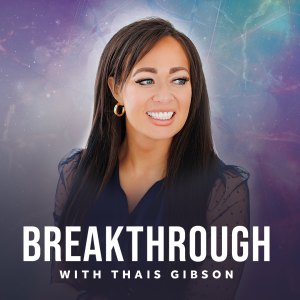
Breakthrough with Thais Gibson is a podcast featuring live coaching and transformational conversations rooted in Integrated Attachment Theory. In each episode, Thais works directly with guests to uncover subconscious patterns, heal attachment wounds, and create meaningful emotional breakthroughs. Through vulnerable storytelling, practical tools, and deep emotional insight, listeners gain a powerful window into the healing process and learn how to build healthier relationships with themselves and others.
Listen on:

Episodes
17 minutes ago
17 minutes ago
1 hr 44 min
Access Our Emotional Mastery and Belief Reprogramming Course Mentioned in This Episode, With a Trial to the Personal Development School: https://attachment.personaldevelopmentschool.com/dream-life?utm_source=podcast&utm_campaign=7-day-trial&utm_medium=organic&utm_content=pod-10-24-26&el=podcast
Have you ever felt like everything will fall apart if you stop being the strong one?
If you're always taking care of others, struggling to ask for help, or feeling responsible for everything, you may be caught in patterns of over-responsibility and hyper-independence.
In this episode, Thais Gibson sits down with Dr. Lisa Marie Bobby to explore how childhood experiences shape our ability to trust, set boundaries, and receive support. Together, they discuss people-pleasing, burnout, fear of failure, and why letting go of control can feel so difficult.
Discover how to communicate your needs, build healthier relationships, and move from fear-driven self-reliance toward genuine trust and interdependence.
In This Episode, You'll Learn:- How childhood experiences create hyper-independence and over-responsibility- Why people-pleasing and being the strong one can lead to burnout- How fear of failure makes delegating and trusting others difficult- Why boundaries and communicating your needs build healthier relationships- How to recognize the difference between trust issues and communication gaps- Practical ways to reprogram limiting beliefs and build supportive systems
Timestamps:00:00 - Why Trust and Boundaries Feel Difficult03:12 - Childhood Emotional Caretaking and Self-Reliance11:47 - Becoming the Person Who Holds Everything Together15:11 - The Emotional Cost of Overworking and Burnout20:44 - Fear of Failure and Letting Your Family Down31:59 - Why Delegating and Trusting Others Feels Difficult45:19 - Over-Responsibility vs. Healthy Accountability54:24 - Practicing Boundaries and Communicating Needs1:06:13 - Reprogramming Beliefs Through Costs and Benefits1:15:23 - Building Trust Through Communication and Structure
About Our Guest: Dr. Lisa Marie BobbyDr. Lisa Marie Bobby is a licensed psychologist, marriage and family therapist, board-certified coach, author, and founder of Growing Self Counseling & Coaching. She helps individuals and couples strengthen relationships, navigate personal growth, and improve emotional well-being. She also hosts the Love, Happiness & Success podcast and Love, Happiness & Success for Therapists.
Connect With Dr. Lisa Marie Bobby
Official Website: https://drlisamariebobby.com/
Growing Self: https://www.growingself.com/
Instagram: https://www.instagram.com/drlisamariebobby/
Love, Happiness & Success Podcast: https://podcasts.apple.com/us/podcast/love-happiness-and-success-with-dr-lisa-marie-bobby/id858864457
Meet ThaisThais Gibson, PhD, is a Best-Selling Author, Pastoral Counselor, Relationship Coach, and founder of The Personal Development School (PDS). She developed Integrated Attachment Theory® (IAT) and the Six-Step Method to Becoming Secure, combining neuroscience, attachment theory, psychology, and spirituality.
The six pillars of IAT include rewiring Attachment Core Wounds, understanding Attachment Needs, regulating the nervous system, setting healthy boundaries, improving communication, and rewiring unhealthy protest behaviors.
Since 2020, PDS has served over 70,000 students across 145 countries, helping people reprogram subconscious patterns and build secure relationships.
Helpful Resources:
Take the Free Attachment Style Quiz:https://attachment.personaldevelopmentschool.com/?utm_source=podcast&utm_campaign=attachment-quiz&utm_medium=organic&el=podcast
Become an IAT Relationship Coach:https://attachment.personaldevelopmentschool.com/iat?utm_source=podcast&utm_campaign=iat&utm_medium=organic&el=podcast
Read The New Attachment Theory Book:https://attachment.personaldevelopmentschool.com/book/the-new-attachment-theory?utm_source=podcast&utm_campaign=the-new-attachment-theory&utm_medium=organic&el=podcast
Discover Podcast Episodes:https://attachment.personaldevelopmentschool.com/podcast?utm_source=podcast&utm_campaign=podcast-page&utm_medium=organic&el=podcast
Read the PDS Blog:https://blog.personaldevelopmentschool.com/
Let's Connect on Socials:
Instagram: https://www.instagram.com/thepersonaldevelopmentschool/
Facebook: https://www.facebook.com/ThePersonalDevelopmentSchool
TikTok: https://www.tiktok.com/@thaisgibson
LinkedIn: https://www.linkedin.com/company/thepersonaldevelopmentschool/
#ThaisGibson #DrLisaMarieBobby #AttachmentStyles #PeoplePleasing #HealthyBoundaries #HyperIndependence #EmotionalHealing #PersonalDevelopmentSchool
2 days ago
2 days ago
10 min
Learn Self-Love, Self-Soothing & Emotional Healing Tools to Transform Your Life.
https://offer.personaldevelopmentschool.com/self-love-course?utm_source=podcast&utm_campaign=self-love-course&utm_medium=organic&utm_content=pod-10-23-26&el=podcast
Do you struggle with negative self-talk, putting everyone else's needs before your own, or feeling like you're never doing enough? Maybe you find it easier to show compassion, patience, and understanding to others than to offer those same things to yourself.
But what if building a healthier relationship with yourself is one of the most important steps toward improving your self-esteem, emotional well-being, and relationships?
In this episode, Thais Gibson, founder of The Personal Development School, shares six essential self-love habits that can help you strengthen your relationship with yourself, develop greater self-respect, and create a healthier emotional foundation.
You'll discover why self-love goes far beyond positive affirmations or occasional self-care activities. Thais explains how your internal dialogue, subconscious beliefs, emotional needs, personal boundaries, and daily habits shape the way you experience yourself and connect with others.
From learning to truly understand yourself and practicing unconditional self-compassion to taking responsibility for your life, rebuilding self-trust, and setting healthy boundaries, these six practices offer a practical starting point for creating lasting changes in your relationship with yourself.
Whether you're working on low self-esteem, self-worth, people-pleasing, or building Secure Attachment, this episode will help you understand what it means to genuinely love yourself through your thoughts, emotions, and actions.
In This Episode, You'll Learn:- Why your relationship with yourself influences the quality of your relationships with others- How negative self-talk, limiting beliefs, and unmet emotional needs can affect your self-esteem- Why self-awareness and introspection are the foundation of genuine self-love- How to practice unconditional self-compassion, even when you make mistakes- Why taking responsibility for your life is an important form of self-respect- How listening to your emotions and honoring your needs can help rebuild self-trust- Why setting healthy boundaries and learning to say no can create greater emotional security- How consistent self-care habits support your mental, emotional, and physical well-being- Ways to begin transforming your internal dialogue and subconscious beliefs- How to build a more loving, supportive, and secure relationship with yourself
Timestamps:00:00 – The 6 Essential Components of Self-Love00:17 – Why Loving Yourself Matters for Healthy Relationships00:44 – How Negative Self-Talk and Limiting Beliefs Affect Your Inner World01:45 – Transforming Your Internal Landscape Through Self-Love02:38 – What Does It Actually Mean to Love Yourself?03:02 – Self-Love Habit #1: Getting to Know Yourself03:19 – Using Journaling, Reflection, and Personal Growth to Build Self-Awareness04:59 – Self-Love Habit #2: Practicing Unconditional Self-Love05:20 – Learning Self-Compassion When You Make Mistakes06:05 – Loving Yourself Through Your Actions, Thoughts, and Emotions07:22 – Self-Love Habit #3: Taking Responsibility for Your Life08:19 – Choosing Long-Term Growth Over Short-Term Comfort09:19 – Self-Love Habit #4: Listening to Yourself and Rebuilding Self-Trust09:40 – Self-Love Habit #5: Protecting Yourself Through Healthy Boundaries10:27 – Why Learning to Say No Helps You Feel Emotionally Safe11:14 – Self-Love Habit #6: Creating Consistent Self-Care Habits11:41 – Reprogramming Beliefs and Strengthening Your Relationship With Yourself11:56 – Self-Love Course and Final Thoughts
Meet ThaisThais Gibson, PhD, is a Best-Selling Author, Pastoral Counselor, Relationship Coach, and the founder of The Personal Development School (PDS). Between 2013 and 2019, she developed Integrated Attachment Theory® (IAT), the Six-Step Method to Becoming Secure, a framework rooted in neuroscience, attachment theory, psychology, and spirituality, trademarked in October 2021. IAT works across six pillars:
✔ Rewire Your Attachment Core Wounds✔ Learn Your Attachment Needs✔ Regulate Your Nervous System Somatically✔ Learn Healthy Boundaries✔ Improve Communication✔ Rewire Your Unhealthy Protest Behaviors
Since opening in 2020, PDS has grown to serve over 70,000 students in 145 countries, achieving a 97% satisfaction rate and helping people reprogram their subconscious patterns and build thriving, secure relationships.
Helpful Resources:
🧠 Take the Free Attachment Style Quizhttps://attachment.personaldevelopmentschool.com/?utm_source=podcast&utm_campaign=attachment-quiz&utm_medium=organic&el=podcast
📘 Become an IAT Relationship Coachhttps://attachment.personaldevelopmentschool.com/iat?utm_source=podcast&utm_campaign=iat&utm_medium=organic&el=podcast
📚 Read the New Attachment Theory Bookhttps://attachment.personaldevelopmentschool.com/book/the-new-attachment-theory?utm_source=podcast&utm_campaign=the-new-attachment-theory&utm_medium=organic&el=podcast
🎧 Discover Podcast Episodeshttps://attachment.personaldevelopmentschool.com/podcast?utm_source=podcast&utm_campaign=podcast-page&utm_medium=organic&el=podcast
📝 Read the PDS Bloghttps://blog.personaldevelopmentschool.com/
Let’s Connect on Socials:📸 Instagram: https://www.instagram.com/thepersonaldevelopmentschool/📘 Facebook: https://www.facebook.com/ThePersonalDevelopmentSchool🎵 TikTok: https://www.tiktok.com/@thaisgibson💼 LinkedIn: https://www.linkedin.com/company/thepersonaldevelopmentschool/
4 days ago
4 days ago
11 min
Learn Self-Love, Self-Soothing & Emotional Healing Tools to Transform Your Life.
https://offer.personaldevelopmentschool.com/self-love-course?utm_source=podcast&utm_campaign=self-love-course&utm_medium=organic&utm_content=pod-10-21-26&el=podcast
Do you struggle with intense self-criticism, feelings of unworthiness, or moments when you genuinely dislike yourself? Do you find yourself replaying mistakes, judging yourself harshly, or feeling overwhelmed by negative emotions that seem impossible to escape?
If you identify with a Fearful Avoidant Attachment Style, Dismissive Avoidant Attachment Style, or struggle with deeply rooted self-worth wounds, these experiences may feel especially familiar.
In this episode, Thais Gibson, founder of The Personal Development School, explores the deeper emotional and subconscious patterns behind self-loathing, why these feelings can develop through childhood experiences, and how to begin breaking the cycle of self-criticism and emotional pain.
You'll discover how growing up around criticism, anger, emotional instability, or unresolved conflict can influence your internal dialogue and create subconscious beliefs such as "I'm unworthy," "I'm unlovable," or "Something is wrong with me." Thais also shares her personal experience with self-loathing and explains how internalized emotions can become familiar patterns that influence the way you treat yourself.
Most importantly, you'll learn how somatic processing, nervous system regulation, core wound reprogramming, and self-compassion can help you develop a healthier relationship with yourself.
Whether you're struggling with self-hatred, negative self-talk, emotional overwhelm, or unhealthy coping mechanisms, this episode offers practical insights to help you move toward greater self-acceptance, emotional security, and self-love.
In This Episode, You'll Learn:- Why self-loathing can be particularly challenging for individuals with a Fearful Avoidant Attachment Style- How childhood criticism, bullying, and emotionally difficult environments can contribute to negative self-beliefs- Why absorbing other people's anger and unresolved emotions can lead to internalized self-criticism- How subconscious conditioning can make harsh self-talk feel familiar- The common core wounds behind self-loathing, including "I'm unworthy," "I'm defective," and "I'm not good enough"- How somatic processing and nervous system regulation can help reduce emotional reactivity- Why negative beliefs, painful emotions, and unhealthy coping mechanisms can create a repeating cycle- How subconscious reprogramming can help you develop healthier beliefs about yourself- Why practicing self-compassion doesn't mean avoiding accountability or personal growth- How to replace self-punishment with healthier emotional coping strategies and a more supportive inner dialogue
Timestamps:00:00 – Understanding Self-Loathing and Fearful Avoidant Attachment00:36 – How Absorbing Other People's Emotions Can Lead to Self-Hatred01:08 – Thais Shares Her Personal Experience With Self-Loathing01:51 – How Childhood Criticism and Internalized Anger Shape Self-Talk02:44 – The Impact of Bullying, Critical Caregivers, and Negative Environments03:20 – Why Self-Loathing Becomes a Subconscious Comfort Zone04:39 – Understanding the Emotional Roots of Self-Criticism05:06 – How Somatic Processing Can Support Emotional Regulation05:56 – Reprogramming Core Wounds and Negative Self-Beliefs07:06 – How Subconscious Beliefs Trigger Emotional Pain08:12 – Breaking the Cycle of Self-Loathing and Unhealthy Coping08:36 – Learning Self-Compassion Without Avoiding Accountability09:20 – Why Self-Loathing Doesn't Have to Define Your Future10:00 – Replacing Self-Punishment With Self-Acceptance10:39 – Transforming Your Inner Dialogue Through Self-Love11:01 – Emotional Mastery and Subconscious Reprogramming Tools11:32 – Replacing Unhealthy Coping Mechanisms With Healthier Habits12:19 – Final Encouragement and Next Steps12:45 – Closing Thoughts
Meet ThaisThais Gibson, PhD, is a Best-Selling Author, Pastoral Counselor, Relationship Coach, and the founder of The Personal Development School (PDS). Between 2013 and 2019, she developed Integrated Attachment Theory® (IAT), the Six-Step Method to Becoming Secure, a framework rooted in neuroscience, attachment theory, psychology, and spirituality, trademarked in October 2021. IAT works across six pillars:
✔ Rewire Your Attachment Core Wounds✔ Learn Your Attachment Needs✔ Regulate Your Nervous System Somatically✔ Learn Healthy Boundaries✔ Improve Communication✔ Rewire Your Unhealthy Protest Behaviors
Since opening in 2020, PDS has grown to serve over 70,000 students in 145 countries, achieving a 97% satisfaction rate and helping people reprogram their subconscious patterns and build thriving, secure relationships.
Helpful Resources:
🧠 Take the Free Attachment Style Quizhttps://attachment.personaldevelopmentschool.com/?utm_source=podcast&utm_campaign=attachment-quiz&utm_medium=organic&el=podcast
📘 Become an IAT Relationship Coachhttps://attachment.personaldevelopmentschool.com/iat?utm_source=podcast&utm_campaign=iat&utm_medium=organic&el=podcast
📚 Read the New Attachment Theory Bookhttps://attachment.personaldevelopmentschool.com/book/the-new-attachment-theory?utm_source=podcast&utm_campaign=the-new-attachment-theory&utm_medium=organic&el=podcast
🎧 Discover Podcast Episodeshttps://attachment.personaldevelopmentschool.com/podcast?utm_source=podcast&utm_campaign=podcast-page&utm_medium=organic&el=podcast
📝 Read the PDS Bloghttps://blog.personaldevelopmentschool.com/
Let’s Connect on Socials:📸 Instagram: https://www.instagram.com/thepersonaldevelopmentschool/📘 Facebook: https://www.facebook.com/ThePersonalDevelopmentSchool🎵 TikTok: https://www.tiktok.com/@thaisgibson💼 LinkedIn: https://www.linkedin.com/company/thepersonaldevelopmentschool/
6 days ago
6 days ago
5 min
Learn Self-Love, Self-Soothing & Emotional Healing Tools to Transform Your Life.
https://offer.personaldevelopmentschool.com/self-love-course?utm_source=podcast&utm_campaign=self-love-course&utm_medium=organic&utm_content=pod-10-19-26&el=podcast
Do you keep attracting the same types of partners, even when you know those relationships aren't healthy for you? Have you ever wondered why you feel drawn to people who criticize you, dismiss your needs, or struggle to respect your boundaries?
The answer may have more to do with your relationship with yourself than you realize.
In this episode, Thais Gibson, founder of The Personal Development School, explores why self-love is essential for building healthy romantic relationships and how your subconscious comfort zone can influence who you find attractive, what behaviors you tolerate, and the relationship patterns you repeatedly experience.
You'll discover how negative self-talk, self-criticism, poor boundaries, and unresolved childhood experiences can create subconscious patterns that feel familiar, even when they're emotionally painful. Thais introduces the concept of the "relationship shadow," explaining how the ways others treat us in relationships can sometimes reflect patterns in how we treat ourselves.
Most importantly, you'll learn how developing self-compassion, honoring your needs, setting boundaries, and creating a more secure relationship with yourself can help you recognize unhealthy dynamics and make more conscious choices in your dating life.
Whether you're navigating dating, recovering from unhealthy relationships, or working toward Secure Attachment, this episode offers valuable insights into how self-love can transform your relationship patterns from the inside out.
In This Episode, You'll Learn:- Why self-love plays an important role in creating healthy, secure romantic relationships- How your subconscious comfort zone influences attraction and dating patterns- Why negative self-talk and self-criticism can make emotionally unhealthy relationships feel familiar- What the "relationship shadow" is and how to recognize it in your past relationships- How childhood conditioning can shape the way you treat yourself and what you tolerate from others- Why self-compassion, patience, and healthy boundaries are essential parts of self-love- How changing your relationship with yourself can help you recognize unhealthy behaviors in potential partners- Why building a securely attached relationship with yourself can support healthier dating choices
Timestamps:00:00 – Why Self-Love Matters in Your Dating Life00:20 – How Your Subconscious Comfort Zone Shapes Relationships00:50 – Why Negative Self-Talk Can Influence Who You Find Attractive01:35 – How Boundaries and Familiar Relationship Patterns Are Connected02:00 – Understanding Your Relationship Shadow02:24 – How Childhood Conditioning Shapes Your Relationship With Yourself03:00 – Reconditioning Your Subconscious Through Self-Love03:39 – How Changing Your Inner World Changes Your Dating Patterns04:27 – Recognizing Unhealthy Relationship Behaviors04:44 – The Role of Subconscious Processing in Attraction05:31 – Why You Keep Attracting Similar Relationship Dynamics06:05 – Breaking Familiar Patterns and Building Secure Attachment06:25 – Creating a Secure Relationship With Yourself06:42 – Final Thoughts
Meet ThaisThais Gibson, PhD, is a Best-Selling Author, Pastoral Counselor, Relationship Coach, and the founder of The Personal Development School (PDS). Between 2013 and 2019, she developed Integrated Attachment Theory® (IAT), the Six-Step Method to Becoming Secure, a framework rooted in neuroscience, attachment theory, psychology, and spirituality, trademarked in October 2021. IAT works across six pillars:
✔ Rewire Your Attachment Core Wounds✔ Learn Your Attachment Needs✔ Regulate Your Nervous System Somatically✔ Learn Healthy Boundaries✔ Improve Communication✔ Rewire Your Unhealthy Protest Behaviors
Since opening in 2020, PDS has grown to serve over 70,000 students in 145 countries, achieving a 97% satisfaction rate and helping people reprogram their subconscious patterns and build thriving, secure relationships.
Helpful Resources:
🧠 Take the Free Attachment Style Quizhttps://attachment.personaldevelopmentschool.com/?utm_source=podcast&utm_campaign=attachment-quiz&utm_medium=organic&el=podcast
📘 Become an IAT Relationship Coachhttps://attachment.personaldevelopmentschool.com/iat?utm_source=podcast&utm_campaign=iat&utm_medium=organic&el=podcast
📚 Read the New Attachment Theory Bookhttps://attachment.personaldevelopmentschool.com/book/the-new-attachment-theory?utm_source=podcast&utm_campaign=the-new-attachment-theory&utm_medium=organic&el=podcast
🎧 Discover Podcast Episodeshttps://attachment.personaldevelopmentschool.com/podcast?utm_source=podcast&utm_campaign=podcast-page&utm_medium=organic&el=podcast
📝 Read the PDS Bloghttps://blog.personaldevelopmentschool.com/
Let’s Connect on Socials:📸 Instagram: https://www.instagram.com/thepersonaldevelopmentschool/📘 Facebook: https://www.facebook.com/ThePersonalDevelopmentSchool🎵 TikTok: https://www.tiktok.com/@thaisgibson💼 LinkedIn: https://www.linkedin.com/company/thepersonaldevelopmentschool/
Oct 17, 2026
Oct 17, 2026
1 hr 1 min
Access Our Heal from Grief Course Mentioned in This Episode With a Trial to the Personal Development School:https://attachment.personaldevelopmentschool.com/dream-life?utm_source=podcast&utm_campaign=7-day-trial&utm_medium=organic&utm_content=pod-10-17-26&el=podcast
Have you ever felt like losing someone you love also meant losing a part of yourself? Maybe you've been struggling to move forward, pursue your dreams, or feel like yourself again after experiencing grief.
In this deeply emotional and transformative episode, Thais Gibson sits down with Shalaka to explore how unresolved grief, subconscious core wounds, and the loss of emotional safety can create patterns that feel like self-sabotage.
After losing her mother, Shalaka found herself struggling to reconnect with her creativity, confidence, and sense of purpose. Through their conversation, Thais helps her uncover how grief can impact our identity, self-worth, and ability to take action toward the life we want.
You'll discover why grief isn't just about missing someone, how to reconnect with the parts of yourself that feel lost, and practical ways to rebuild emotional security, self-trust, and intrinsic worthiness.
In This Episode, You'll Learn:- Why unresolved grief can show up as self-sabotage and difficulty pursuing your dreams- How losing an important attachment figure can impact your identity and emotional security- The connection between subconscious core wounds, unworthiness, and feeling undeserving of happiness- How to release guilt and the belief that you should have done more for someone you lost- Why reclaiming your authenticity and self-expression is an important part of healing- How to rebuild self-belief without relying on external validation- Practical exercises to reconnect with your intrinsic worth and cultivate emotional safety- How to build a trustworthy support system while honoring your boundaries
Timestamps:00:00 – How Grief Can Make You Feel Lost and Disconnected01:50 – Why Self-Sabotage May Be Blocking Your Dreams05:11 – Three Root Causes of Subconscious Blocks09:19 – Losing a Parent and the Impact on Emotional Security12:18 – Understanding the Emotional Needs Behind Grief15:03 – Why Grief Can Create an Identity Crisis17:46 – Releasing Guilt and the Belief You Should Have Done More24:29 – How Loss Changes Your Sense of Self27:15 – Reclaiming the Parts of Yourself You Feel You've Lost29:07 – Rebuilding Authenticity and Self-Expression34:43 – Developing Self-Trust and Asking for Support37:26 – Learning to Be Unapologetically Yourself45:37 – Healing Core Wounds of Unworthiness47:47 – An Exercise to Build Intrinsic Self-Worth54:34 – Rebuilding Emotional Safety After Loss56:03 – Nervous System Regulation and Creating a Support System59:30 – Moving Forward With Confidence and Purpose
Meet ThaisThais Gibson, PhD, is a Best-Selling Author, Pastoral Counselor, Relationship Coach, and the founder of The Personal Development School (PDS). Between 2013 and 2019, she developed Integrated Attachment Theory® (IAT), the Six-Step Method to Becoming Secure, a framework rooted in neuroscience, attachment theory, psychology, and spirituality, trademarked in October 2021. IAT works across six pillars:
✔ Rewire Your Attachment Core Wounds✔ Learn Your Attachment Needs✔ Regulate Your Nervous System Somatically✔ Learn Healthy Boundaries✔ Improve Communication✔ Rewire Your Unhealthy Protest Behaviors
Since opening in 2020, PDS has grown to serve over 70,000 students in 145 countries, achieving a 97% satisfaction rate and helping people reprogram their subconscious patterns and build thriving, secure relationships.
Helpful Resources:
🧠 Take the Free Attachment Style Quizhttps://attachment.personaldevelopmentschool.com/?utm_source=podcast&utm_campaign=attachment-quiz&utm_medium=organic&el=podcast
📘 Become an IAT Relationship Coachhttps://attachment.personaldevelopmentschool.com/iat?utm_source=podcast&utm_campaign=iat&utm_medium=organic&el=podcast
📚 Read the New Attachment Theory Bookhttps://attachment.personaldevelopmentschool.com/book/the-new-attachment-theory?utm_source=podcast&utm_campaign=the-new-attachment-theory&utm_medium=organic&el=podcast
🎧 Discover Podcast Episodeshttps://attachment.personaldevelopmentschool.com/podcast?utm_source=podcast&utm_campaign=podcast-page&utm_medium=organic&el=podcast
📝 Read the PDS Bloghttps://blog.personaldevelopmentschool.com/
Let’s Connect on Socials:📸 Instagram: https://www.instagram.com/thepersonaldevelopmentschool/📘 Facebook: https://www.facebook.com/ThePersonalDevelopmentSchool🎵 TikTok: https://www.tiktok.com/@thaisgibson💼 LinkedIn: https://www.linkedin.com/company/thepersonaldevelopmentschool/
Oct 16, 2026
Oct 16, 2026
4 min
Discover Somatic Processing and Nervous System Tools to Heal Stress and Emotional Pain.
https://attachment.personaldevelopmentschool.com/somatic-attachment-healing?utm_source=podcast&utm_campaign=somatic-attachment-healing&utm_medium=organic&utm_content=pod-10-16-26&el=podcast
Do you ever find yourself replaying frustrating situations, wishing things had gone differently, or feeling stuck in anger over something you can't change? Whether it's an unexpected inconvenience, a disappointing experience, or a painful emotional setback, resisting reality can keep you trapped in unnecessary stress and frustration.
But what if learning to accept the present moment could help you feel calmer, more emotionally grounded, and better equipped to handle life's challenges?
In this episode, Thais Gibson, founder of The Personal Development School, explores how resisting reality can intensify emotional suffering and why practicing acceptance is an important part of emotional regulation and personal growth.
You'll discover how thoughts like "This shouldn't have happened" can keep you mentally fighting against the past, draining your energy and preventing you from moving forward. Thais explains how shifting from resistance into acceptance can help you develop a more productive, solution-focused mindset without suppressing or invalidating your emotions.
Whether you're struggling with frustration, emotional overwhelm, or difficulty letting go of situations outside your control, this episode offers practical insights to help you respond to life's unexpected challenges with greater awareness, flexibility, and inner peace.
In This Episode, You'll Learn:- Why resisting reality can intensify frustration, stress, and emotional suffering- How dwelling on the past keeps you stuck in unproductive thought patterns- The difference between accepting what happened and suppressing your emotions- Why acceptance allows you to shift into a more effective problem-solving mindset- How to recognize and interrupt thoughts like "This shouldn't have happened"- Ways to validate anger, disappointment, and hurt without getting trapped in negative thinking- How practicing nonresistance can support emotional regulation and resilience- Why unexpected setbacks can become opportunities for learning and personal growth
Timestamps:00:00 – Why Unexpected Situations Trigger Frustration and Resistance00:21 – How Dwelling on What Went Wrong Creates Unnecessary Suffering00:53 – Why Fighting Reality Keeps You Emotionally Stuck01:15 – Understanding What You Can and Cannot Control01:38 – Shifting From Resistance Into Problem-Solving Mode02:00 – How Acceptance Helps You Take More Effective Action02:41 – Breaking Negative Thought Patterns and Learning to Go With the Flow03:07 – Accepting and Validating Your Emotions Without Suppressing Them03:32 – Letting Go of the Past and Reclaiming Your Emotional Energy03:53 – Practicing Acceptance During Stressful Situations04:13 – Finding Lessons in Life's Unexpected Challenges04:48 – Emotional Mastery, Belief Reprogramming, and Personal Growth Resources05:10 – Final Thoughts
Helpful Resources:
🧠 Take the Free Attachment Style Quizhttps://attachment.personaldevelopmentschool.com/?utm_source=podcast&utm_campaign=attachment-quiz&utm_medium=organic&el=podcast
📘 Become an IAT Relationship Coachhttps://attachment.personaldevelopmentschool.com/iat?utm_source=podcast&utm_campaign=iat&utm_medium=organic&el=podcast
📚 Read the New Attachment Theory Bookhttps://attachment.personaldevelopmentschool.com/book/the-new-attachment-theory?utm_source=podcast&utm_campaign=the-new-attachment-theory&utm_medium=organic&el=podcast
🎧 Discover Podcast Episodeshttps://attachment.personaldevelopmentschool.com/podcast?utm_source=podcast&utm_campaign=podcast-page&utm_medium=organic&el=podcast
📝 Read the PDS Bloghttps://blog.personaldevelopmentschool.com/
Let’s Connect on Socials:📸 Instagram: https://www.instagram.com/thepersonaldevelopmentschool/📘 Facebook: https://www.facebook.com/ThePersonalDevelopmentSchool🎵 TikTok: https://www.tiktok.com/@thaisgibson💼 LinkedIn: https://www.linkedin.com/company/thepersonaldevelopmentschool/
Oct 14, 2026
Oct 14, 2026
3 min
Discover Somatic Processing and Nervous System Tools to Heal Stress and Emotional Pain.
https://attachment.personaldevelopmentschool.com/somatic-attachment-healing?utm_source=podcast&utm_campaign=somatic-attachment-healing&utm_medium=organic&utm_content=pod-10-14-26&el=podcast
Does an unanswered text, a change in someone's tone, or a canceled plan suddenly make you feel anxious, rejected, or afraid of losing someone you love? Do you find yourself desperately seeking reassurance, overthinking interactions, or putting your own needs aside just to maintain a connection?
If so, you may be experiencing a fear of abandonment rooted in past emotional experiences.
In this episode, Thais Gibson, founder of The Personal Development School, explains how abandonment wounds develop, why seemingly small relationship triggers can create intense emotional reactions, and how to begin healing these patterns through emotional awareness, somatic processing, and nervous system regulation.
You'll discover how childhood inconsistency, unmet emotional needs, and experiences of real or perceived abandonment can shape your subconscious beliefs about relationships. Thais also explores how abandonment fears can manifest physically through sensations like tightness in your chest, knots in your stomach, or tension in your shoulders.
Most importantly, you'll learn why recognizing these sensations and separating them from painful thought patterns is an important first step toward emotional healing, healthier relationships, and a stronger sense of inner security.
In This Episode, You'll Learn:- Why unanswered messages, canceled plans, and changes in someone's behavior can trigger abandonment fears- How childhood experiences and inconsistent caregiving can contribute to abandonment wounds- Why fear of abandonment can lead to clinginess, people-pleasing, and self-abandonment- How to identify emotional triggers and recognize their physical sensations in your body- The subconscious beliefs that reinforce abandonment anxiety, including "I'm not good enough" and "I will be abandoned"- How somatic processing can help you work through intense emotions and regulate your nervous system- Why separating bodily sensations from painful thoughts creates space for subconscious reprogramming- How to begin developing greater emotional independence, inner peace, and security in relationships
Timestamps:00:00 – Why Small Relationship Triggers Create Intense Abandonment Fears00:37 – Understanding Fear of Abandonment as a Trauma Response01:10 – How Childhood Inconsistency Creates Abandonment Wounds01:34 – Recognizing Your Abandonment Triggers and People-Pleasing Patterns02:00 – Identifying the Physical Sensations of Emotional Triggers02:20 – The Painful Core Beliefs Behind Abandonment Anxiety02:41 – Nervous System Regulation and Reprogramming Abandonment Wounds03:10 – How Somatic Processing Can Support Emotional Healing03:33 – Final Thoughts
Helpful Resources:
🧠 Take the Free Attachment Style Quizhttps://attachment.personaldevelopmentschool.com/?utm_source=podcast&utm_campaign=attachment-quiz&utm_medium=organic&el=podcast
📘 Become an IAT Relationship Coachhttps://attachment.personaldevelopmentschool.com/iat?utm_source=podcast&utm_campaign=iat&utm_medium=organic&el=podcast
📚 Read the New Attachment Theory Bookhttps://attachment.personaldevelopmentschool.com/book/the-new-attachment-theory?utm_source=podcast&utm_campaign=the-new-attachment-theory&utm_medium=organic&el=podcast
🎧 Discover Podcast Episodeshttps://attachment.personaldevelopmentschool.com/podcast?utm_source=podcast&utm_campaign=podcast-page&utm_medium=organic&el=podcast
📝 Read the PDS Bloghttps://blog.personaldevelopmentschool.com/
Let’s Connect on Socials:📸 Instagram: https://www.instagram.com/thepersonaldevelopmentschool/📘 Facebook: https://www.facebook.com/ThePersonalDevelopmentSchool🎵 TikTok: https://www.tiktok.com/@thaisgibson💼 LinkedIn: https://www.linkedin.com/company/thepersonaldevelopmentschool/
Oct 12, 2026
Oct 12, 2026
8 min
Discover Somatic Processing and Nervous System Tools to Heal Stress and Emotional Pain.
https://attachment.personaldevelopmentschool.com/somatic-attachment-healing?utm_source=podcast&utm_campaign=somatic-attachment-healing&utm_medium=organic&utm_content=pod-10-12-26&el=podcast
Do you ever feel restless, anxious, or on edge, even when nothing is actually wrong? Maybe you struggle to relax, feel constantly alert, or find it difficult to feel truly safe in your own body. If this sounds familiar, your subconscious beliefs and nervous system may be playing a bigger role than you realize.
In this episode, Thais Gibson, founder of The Personal Development School, explores why you may struggle to feel emotionally safe and how past experiences, childhood trauma, and subconscious conditioning can influence your ability to feel calm, grounded, and secure.
You'll discover how limiting beliefs like "I am unsafe," "I am helpless," or "I will be abandoned" can keep you stuck in patterns of fear and uncertainty. Thais also shares practical strategies for building greater safety through consistency, structure, and emotional security, along with the often-overlooked importance of nervous system regulation.
Whether you experience chronic anxiety, emotional dysregulation, or difficulty relaxing in relationships, this episode will help you better understand what's happening beneath the surface and how to begin creating a stronger internal sense of safety.
In This Episode, You'll Learn:- Why childhood experiences and emotional trauma can make it difficult to feel safe- How subconscious beliefs influence anxiety, fear, and emotional security- Ways to reprogram limiting beliefs through repetition, emotion, and imagery- How to create more certainty, consistency, and stability in different areas of your life- Why your nervous system may become accustomed to fight, flight, freeze, or fawn responses- How grounding, meditation, and deep breathing can support nervous system regulation- Why consistent morning and evening practices can help you build a greater sense of calm
Timestamps:00:00 – Why You May Struggle to Feel Safe00:53 – How Childhood Trauma and Instability Affect Your Sense of Safety01:47 – Reprogramming Subconscious Beliefs About Safety03:03 – Common Core Beliefs That Create Fear and Insecurity03:45 – Creating More Safety, Structure, and Consistency in Your Life05:46 – The Hidden Missing Piece: Nervous System Regulation06:14 – Understanding Fight, Flight, Freeze, and Fawn Responses06:40 – Grounding, Meditation, and Deep Breathing for Emotional Regulation07:12 – Building a Morning and Evening Nervous System Routine07:30 – Creating a New Subconscious Comfort Zone of Safety08:00 – Final Thoughts
Helpful Resources:
🧠 Take the Free Attachment Style Quizhttps://attachment.personaldevelopmentschool.com/?utm_source=podcast&utm_campaign=attachment-quiz&utm_medium=organic&el=podcast
📘 Become an IAT Relationship Coachhttps://attachment.personaldevelopmentschool.com/iat?utm_source=podcast&utm_campaign=iat&utm_medium=organic&el=podcast
📚 Read the New Attachment Theory Bookhttps://attachment.personaldevelopmentschool.com/book/the-new-attachment-theory?utm_source=podcast&utm_campaign=the-new-attachment-theory&utm_medium=organic&el=podcast
🎧 Discover Podcast Episodeshttps://attachment.personaldevelopmentschool.com/podcast?utm_source=podcast&utm_campaign=podcast-page&utm_medium=organic&el=podcast
📝 Read the PDS Bloghttps://blog.personaldevelopmentschool.com/
Let’s Connect on Socials:📸 Instagram: https://www.instagram.com/thepersonaldevelopmentschool/📘 Facebook: https://www.facebook.com/ThePersonalDevelopmentSchool🎵 TikTok: https://www.tiktok.com/@thaisgibson💼 LinkedIn: https://www.linkedin.com/company/thepersonaldevelopmentschool/
Oct 10, 2026
Oct 10, 2026
1 hr 16 min
Access Our Emotional Mastery and Belief Reprogramming Course Mentioned in This Episode FREE for 7 Days With a Trial to the Personal Development School:https://attachment.personaldevelopmentschool.com/dream-life?utm_source=podcast&utm_campaign=7-day-trial&utm_medium=organic&utm_content=yt-10-09-26&el=podcast
Have you ever found yourself constantly worrying that something bad might happen to someone you love, even when everything in your life seems perfectly fine? Do you struggle with health anxiety, fear of loss, or a need for certainty that you just can't seem to shake?
What if these fears aren't random, but are connected to subconscious core wounds you've been carrying since early childhood?
In this deeply personal and transformative episode, Thais Gibson sits down with Josie Santi for an emotional exploration of Anxious Attachment, subconscious programming, health anxiety, and the hidden fears that can shape our relationships and sense of safety.
Josie opens up about her experiences with anxiety, perfectionism, fear of losing loved ones, and the need to feel safe and in control. Together, Thais and Josie explore how early childhood experiences may contribute to deeply rooted fears of abandonment and uncertainty, even when someone grows up surrounded by love and emotional support.
If you've ever struggled with catastrophic thinking, worried excessively about your health or loved ones, or felt like you intellectually understand your anxiety but can't seem to stop feeling it, this conversation offers a compassionate perspective and practical tools for beginning to shift those patterns.
IN THIS EPISODE, YOU'LL LEARN:
- How Anxious Attachment can manifest as health anxiety, fear of loss, and catastrophic thinking- Why early childhood experiences may influence subconscious beliefs about safety, abandonment, and connection- The connection between perfectionism, people-pleasing, and the fear of not being good enough- Why you can feel deeply loved in your relationships and still struggle with the fear of losing the people closest to you
TIMESTAMPS:
00:00 – How Early Childhood Experiences Shape Subconscious Beliefs01:23 – Meet Josie Santi: Her Story and Personal Growth Journey04:33 – Exploring the Roots of Anxiety and Perfectionism08:05 – Recognizing Anxious Attachment and the Fear of Losing Loved Ones12:10 – How Abandonment Wounds Can Show Up as Health Anxiety15:30 – Why Early Emotional Imprints Can Influence Your Sense of Safety18:37 – How Subconscious Reprogramming and Neuroplasticity Work24:20 – Rewiring the Core Wound of Feeling Unsafe34:17 – Finding Certainty Through Self-Trust, Meaning, and Resilience46:00 – Building Emotional Security Through Supportive Relationships58:50 – The 63-Day Subconscious Reprogramming Exercise01:03:35 – How to Interrupt Catastrophic Thinking and Reframe Anxiety
Connect with Josie Santi:
Instagram: https://www.instagram.com/josie.santi/Website: https://josiesanti.com/The Everygirl: https://theeverygirl.com/contributor/josie-santi/
Meet ThaisThais Gibson, PhD, is a Best-Selling Author, Pastoral Counselor, Relationship Coach, and the founder of The Personal Development School (PDS). Between 2013 and 2019, she developed Integrated Attachment Theory® (IAT), the Six-Step Method to Becoming Secure, a framework rooted in neuroscience, attachment theory, psychology, and spirituality, trademarked in October 2021. IAT works across six pillars:
✔ Rewire Your Attachment Core Wounds✔ Learn Your Attachment Needs✔ Regulate Your Nervous System Somatically✔ Learn Healthy Boundaries✔ Improve Communication✔ Rewire Your Unhealthy Protest Behaviors
Since opening in 2020, PDS has grown to serve over 70,000 students in 145 countries, achieving a 97% satisfaction rate and helping people reprogram their subconscious patterns and build thriving, secure relationships.
Helpful Resources:
🧠 Take the Free Attachment Style Quizhttps://attachment.personaldevelopmentschool.com/?utm_source=podcast&utm_campaign=attachment-quiz&utm_medium=organic&el=podcast
📘 Become an IAT Relationship Coachhttps://attachment.personaldevelopmentschool.com/iat?utm_source=podcast&utm_campaign=iat&utm_medium=organic&el=podcast
📚 Read the New Attachment Theory Bookhttps://attachment.personaldevelopmentschool.com/book/the-new-attachment-theory?utm_source=podcast&utm_campaign=the-new-attachment-theory&utm_medium=organic&el=podcast
🎧 Discover Podcast Episodeshttps://attachment.personaldevelopmentschool.com/podcast?utm_source=podcast&utm_campaign=podcast-page&utm_medium=organic&el=podcast
📝 Read the PDS Bloghttps://blog.personaldevelopmentschool.com/
Let’s Connect on Socials:📸 Instagram: https://www.instagram.com/thepersonaldevelopmentschool/📘 Facebook: https://www.facebook.com/ThePersonalDevelopmentSchool🎵 TikTok: https://www.tiktok.com/@thaisgibson💼 LinkedIn: https://www.linkedin.com/company/thepersonaldevelopmentschool/
Oct 9, 2026
Oct 9, 2026
6 min
Learn Somatic Tools to Regulate Emotions, Heal Triggers & Calm Your Nervous System:https://attachment.personaldevelopmentschool.com/somatic-attachment-healing?utm_source=podcast&utm_campaign=somatic-attachment-healing&utm_medium=organic&utm_content=yt-10-09-26&el=podcast
Do you have moments when your emotions feel overwhelming, you suddenly become frustrated or reactive, or you say something you later regret? If you have a Fearful Avoidant Attachment Style (also known as Disorganized Attachment), you may find yourself struggling with emotional volatility, intense triggers, or a cycle of anger followed by guilt and self-criticism.
But what if these emotional reactions aren't coming out of nowhere? What if they're actually the result of unmet needs, subconscious core wounds, and nervous system dysregulation?
In this episode, Thais Gibson explores 3 major reasons Fearful Avoidants may struggle with emotional volatility and strong emotions, and how understanding these patterns can help you respond to triggers in healthier, more secure ways.
Thais explains how Fearful Avoidants often struggle to recognize or communicate their needs because of past experiences where those needs weren't consistently met. Over time, unexpressed needs can build into frustration, resentment, and emotional overwhelm.
She also explores how subconscious stories, such as "I don't matter," "I'm not cared for," or "I'm not worthy of having my needs met," can intensify emotional reactions and cause us to interpret present-day situations through the lens of past experiences.
Finally, Thais shares why nervous system regulation and reconnecting with your emotions are essential for recognizing triggers before they escalate, expressing your needs more effectively, and breaking the cycle of emotional reactivity and shame.
Whether you're a Fearful Avoidant working toward Secure Attachment or someone who loves a Fearful Avoidant, this episode offers compassionate insights and practical steps to help you better understand emotional volatility and develop healthier communication patterns.
✨ IN THIS EPISODE, YOU'LL LEARN:
Why Fearful Avoidants may experience intense emotional reactions, frustration, or emotional volatility
The 3 underlying factors that contribute to emotional overwhelm and reactive behavior
How repeatedly unmet needs can build into resentment, criticism, and emotional outbursts
Why Fearful Avoidants may struggle to ask directly for support, connection, or reassurance
How subconscious core wounds can create negative stories about other people's intentions
The connection between nervous system dysregulation, fight-or-flight responses, and emotional reactivity
How to identify the unmet need hiding underneath criticism or frustration
Practical ways to communicate your needs before emotions become overwhelming
Why reconnecting with your body can help you recognize emotional triggers earlier
How to move away from cycles of emotional volatility, guilt, and self-criticism
TIMESTAMPS:
00:00 – Why Fearful Avoidants Struggle With Emotional Volatility
00:47 – Reason #1: Unmet Needs and Built-Up Frustration
01:33 – Why Fearful Avoidants Struggle to Express Their Needs
02:16 – Reason #2: Subconscious Stories and Negative Core Beliefs
03:11 – Reason #3: Nervous System Dysregulation and Emotional Overwhelm
03:28 – Why Emotional Outbursts Can Lead to Guilt and Shame
03:48 – Understanding the Connection Between Triggers and Fight-or-Flight
04:17 – How to Turn Criticism Into Healthy Communication
05:11 – Why Nervous System Regulation Is Essential for Fearful Avoidants
05:26 – How to Recognize Emotions Before They Escalate
06:18 – Healing Emotional Reactivity With Greater Self-Compassion
Meet ThaisThais Gibson, PhD, is a Best-Selling Author, Pastoral Counselor, Relationship Coach, and the founder of The Personal Development School (PDS). Between 2013 and 2019, she developed Integrated Attachment Theory® (IAT), the Six-Step Method to Becoming Secure, a framework rooted in neuroscience, attachment theory, psychology, and spirituality, trademarked in October 2021. IAT works across six pillars:
✔ Rewire Your Attachment Core Wounds✔ Learn Your Attachment Needs✔ Regulate Your Nervous System Somatically✔ Learn Healthy Boundaries✔ Improve Communication✔ Rewire Your Unhealthy Protest Behaviors
Since opening in 2020, PDS has grown to serve over 70,000 students in 145 countries, achieving a 97% satisfaction rate and helping people reprogram their subconscious patterns and build thriving, secure relationships.
Helpful Resources:
🧠 Take the Free Attachment Style Quizhttps://attachment.personaldevelopmentschool.com/?utm_source=podcast&utm_campaign=attachment-quiz&utm_medium=organic&el=podcast
📘 Become an IAT Relationship Coachhttps://attachment.personaldevelopmentschool.com/iat?utm_source=podcast&utm_campaign=iat&utm_medium=organic&el=podcast
📚 Read the New Attachment Theory Bookhttps://attachment.personaldevelopmentschool.com/book/the-new-attachment-theory?utm_source=podcast&utm_campaign=the-new-attachment-theory&utm_medium=organic&el=podcast
🎧 Discover Podcast Episodeshttps://attachment.personaldevelopmentschool.com/podcast?utm_source=podcast&utm_campaign=podcast-page&utm_medium=organic&el=podcast
📝 Read the PDS Bloghttps://blog.personaldevelopmentschool.com/
Let’s Connect on Socials:📸 Instagram: https://www.instagram.com/thepersonaldevelopmentschool/📘 Facebook: https://www.facebook.com/ThePersonalDevelopmentSchool🎵 TikTok: https://www.tiktok.com/@thaisgibson💼 LinkedIn: https://www.linkedin.com/company/thepersonaldevelopmentschool/